

Author: Editorial board
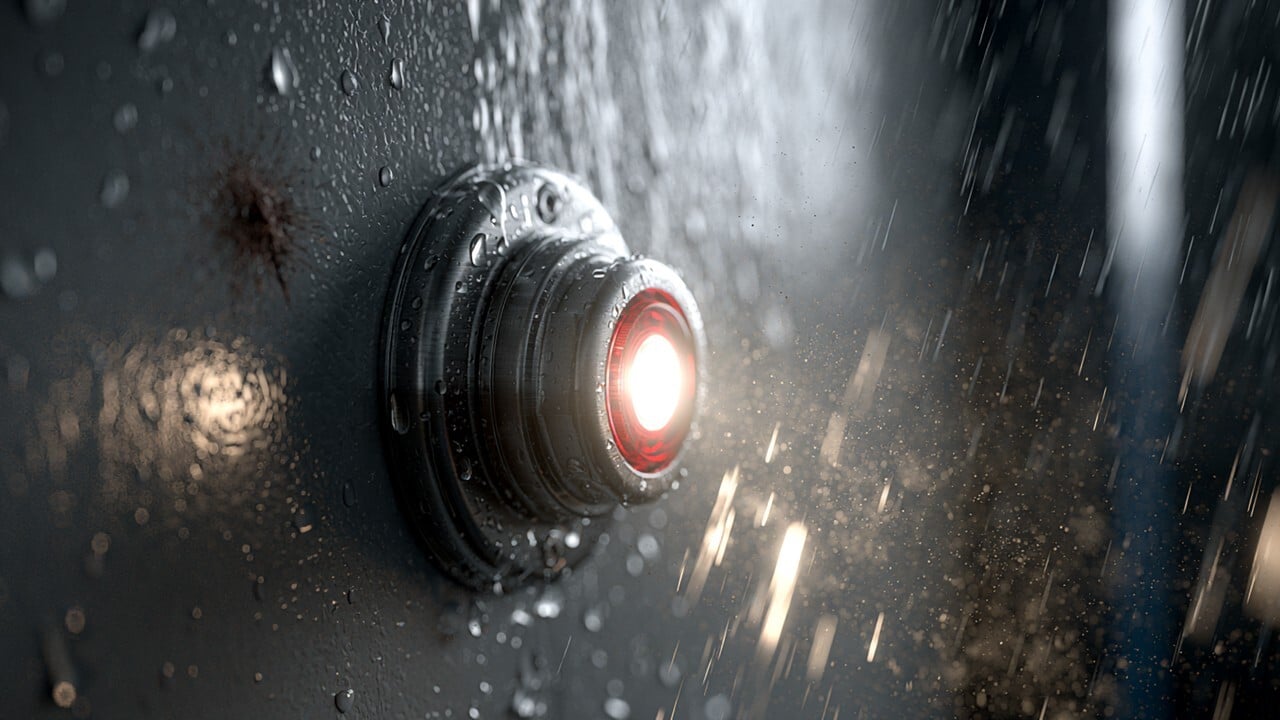
Vandal-proof indicators for outdoor and public-use applications
If you want to learn more about standards, safety and sustainability in illuminated indicators and design compliant, high-performance solutions, explore our comprehensive guide.
The gap between laboratory testing and real-world operation is often wider than expected, especially for equipment designed for outdoor or public-use environments.
Take a vending machine installed in a railway station. It passes every factory test and operates flawlessly during the first weeks after installation.
Then the first service calls begin. An indicator becomes difficult to read in direct sunlight. Water ingress affects the operation of switches and push buttons. A control panel is damaged by an accidental impact and becomes difficult to use.
At that point, what once seemed like a minor illuminated component leads to a maintenance visit, equipment downtime and costs that were never anticipated during the design phase.
Looking for LED indicators designed for demanding environments?
Index
- How to choose an indicator for outdoor applications
- Different applications require different solutions
- Where vandal-proof indicators make the difference
- From application analysis to component selection
- Questions to ask before finalising your design
- Glossary
- Extra tips
- Design today. Reduce maintenance tomorrow.
How to choose an indicator for outdoor applications
Two signalling systems may use the same light source yet deliver very different long-term performance.
A push button or illuminated indicator installed on an indoor control panel operates under completely different conditions from the same component fitted to a vending machine on a coastal promenade, where humidity, salt spray and wind accelerate material degradation.
For outdoor applications, specifications such as the IP protection rating and IK impact rating are essential starting points. Their suitability, however, always depends on the environment in which the equipment will operate.
The IEC 60529 standard defines the IP rating system for protection against the ingress of dust and water, providing a common framework for specifying and comparing components.
A datasheet helps you compare products.
Daily operation reveals their true value.
Different applications require different solutions
The operating conditions faced by an illuminated indicator depend on where it is installed. A component fitted to an EV charging station is exposed to different challenges than the same component used in a ticketing kiosk or a self-service vending machine.
The table below summarises some of the most common design challenges together with the SLIM solutions that can help improve long-term reliability and ease of integration.
|
Challenge |
SLIM Solution |
Benefit |
| Rain, dust and moisture | IP67 illuminated indicators | Protection against water ingress and improved reliability |
| Impact and frequent operation | Vandal-proof indicators and switches | Reduced risk of failure and fewer replacements |
| UV exposure | UV-resistant components | More stable long-term performance |
| Salt spray and corrosive environments | Vandal-proof indicators with a chrome- or nickel-plated brass body and metal bezel | Improved corrosion resistance |
| Limited installation space | Micro LED spotlights and compact indicators | Easy integration into small control panels |
| Low-visibility installation points | Fibre optic lighting systems | Light exactly where it is needed, with greater installation flexibility |
Meet environmental and regulatory requirements with confidence
Where vandal-proof indicators make the difference
Some illuminated interfaces remain exposed to the elements for years. Others are operated thousands of times every day, while some must continue to perform reliably in demanding industrial environments.
Vandal-proof indicators are designed for these conditions, providing reliable operation and long service life even when equipment is exposed to mechanical stress and harsh environmental conditions.
Unattended outdoor equipment
An EV charging station installed in a public car park is exposed to sunlight, rain and temperature fluctuations throughout the year. A vending machine in an airport may be used hundreds of times a day by different people, while a self-service ticket machine or information kiosk must remain operational even when no staff are on site.
Although these applications differ, they share the same requirement: uninterrupted service. A failure in an illuminated indicator can prevent a payment from being completed, interrupt a charging session or leave an entire machine out of service until a technician arrives.
Resistance to environmental exposure, protection against water ingress, mechanical robustness and clear visibility are therefore essential for maintaining uptime and reducing maintenance requirements.
High-use public interfaces
Every day, thousands of people press elevator buttons, pass through access gates, use access control systems or operate automatic dispensers in schools, hospitals, canteens and workplaces. The user interface is typically the part of the equipment subjected to the greatest mechanical stress.
Repeated operation is combined with frequent cleaning, continuous contact with different users and, in some environments, exposure to aggressive cleaning agents.
Certified components, consistent backlighting and robust construction all contribute to longer service life while reinforcing the perceived quality and reliability of the equipment.
Industrial and technical applications
An HVAC unit installed on a rooftop operates for years in changing weather conditions. A machine tool is continuously exposed to vibration, lubricants and coolants, while an industrial control panel must remain easy to read during maintenance activities and in dusty environments.
Illuminated indicators support technicians and operators during system monitoring, fault diagnosis and maintenance. Clear machine status indication helps reduce troubleshooting time, simplifies service operations and contributes to the overall efficiency of the equipment, even under demanding operating conditions.
Evaluate the operating environment first
Across all these applications, the same engineering principle applies: an indicator should be selected according to its real operating environment, not solely its electrical specifications.
Considering factors such as environmental exposure, operating cycles, visibility, materials and maintenance requirements from the outset helps transform an illuminated component into a key contributor to equipment reliability, service continuity and perceived product quality.
A reliable light signal is designed based on the actual context, not just the electrical schematic.
From application analysis to component selection
Selecting the right illuminated indicator begins long before opening a product catalogue. The installation environment, panel material, supply voltage, visibility requirements, wiring method and expected operating frequency all influence the most suitable component for the application.
SLIM works alongside customers from the earliest stages of product development, evaluating the application's requirements to determine whether a standard solution is sufficient or whether a customised configuration would deliver a better fit.
This early collaboration makes it possible to integrate illuminated indicators into the product from the outset, reducing design changes, simplifying manufacturing and lowering the risk of costly modifications later in the project.
Questions to ask before finalising your design
A few simple checks during the early design stage can prevent much more complex modifications later.
Many issues only become apparent once the design has been finalised, when replacing a component may require changes to the panel, wiring or product certification. Asking the right questions early helps reduce these risks and supports more informed design decisions.
|
Design Checklist: What to Verify Before Selecting an Outdoor Indicator |
|
| Installation environment | Will the equipment be used indoors, outdoors or in both environments? |
| IP protection | Is the IP rating suitable for the operating environment? |
| Impact resistance (IK) | Does the application require increased protection against impact? |
| Materials | Are the materials suitable for humidity, UV exposure or salt spray? |
| Visibility | Will the indicator remain clearly visible under all operating conditions? |
| Operating cycles | Is the component designed for the expected level of use? |
| Maintenance | Can the component be replaced quickly and easily? |
| Public use | Is a vandal-proof solution required? |
| Long-term performance | Will the component maintain consistent performance over time? |
Glossary
IP67
A protection rating defined by the IEC 60529 standard that certifies complete protection against dust ingress and resistance to temporary immersion in water. It is one of the most common requirements for outdoor applications.
IK Impact Rating
A classification defined by the IEC 62262 standard that indicates a switch's, indicator's or push button's ability to withstand mechanical impact. The higher the IK rating, the greater the impact energy the component can resist.
Operating Cycles
The number of operations or activations a component is designed to perform during its service life. In public-use applications, this specification can be just as important as environmental protection.
Temperature Fluctuations
Alternating high and low temperatures that cause materials to expand and contract repeatedly. Over time, these cycles can affect seals, fastening systems and overall component reliability.
Mechanical Stress
The combined effects of impacts, vibration and mechanical loads experienced during normal operation. This includes not only deliberate misuse or vandalism, but also everyday use, handling and routine equipment operation.
Extra tips
Involve your service team. Technicians who maintain equipment know which components fail most often and why. Bringing their experience into the design review process helps identify recurring issues before they reach the field.
Think about maintenance early. Before finalising the design, check how quickly an indicator can be replaced. A reliable component should also be easy to access and straightforward to service.
Consider long-term availability. For products with a long service life, verify component availability and continuity of supply to reduce the risk of redesigns caused by product obsolescence.
Validate under real operating conditions. Laboratory testing is essential, but it cannot replicate every real-world condition. Direct sunlight, rain, dust and everyday use can reveal issues that only become apparent during normal operation.
Look beyond the component cost. When replacing a component requires specialist personnel or equipment downtime, maintenance costs can quickly exceed the purchase price of the indicator itself.
Related articles
Anti-Vandal Indicators for HVAC Systems: A Complete Guide
Learn which features help illuminated indicators deliver reliable performance in HVAC systems exposed to humidity, dust, vibration and continuous operation.
Anti-Vandal Indicators for Industrial Applications
From production lines to industrial control panels, discover how to select components designed to withstand impact, corrosive environments and demanding operating conditions.
How to Choose Anti-Vandal LED Indicators for HoReCa Equipment
Professional ovens, commercial kitchens and food service equipment expose illuminated components to extreme operating conditions. Find out which factors to consider to reduce failures and maintenance requirements.
Design today. Reduce maintenance tomorrow.
The best illuminated indicators are the ones users never have to think about. They remain visible, reliable and fully operational year after year, without becoming a source of service calls or unexpected maintenance.
This level of reliability is achieved long before the equipment reaches the field. It begins with selecting components designed for the real conditions in which they will operate.
If you are developing an outdoor or public-use application and need illuminated indicators that deliver reliable performance in demanding environments, talk to the SLIM team.
Reliable innovation for over 50 years